
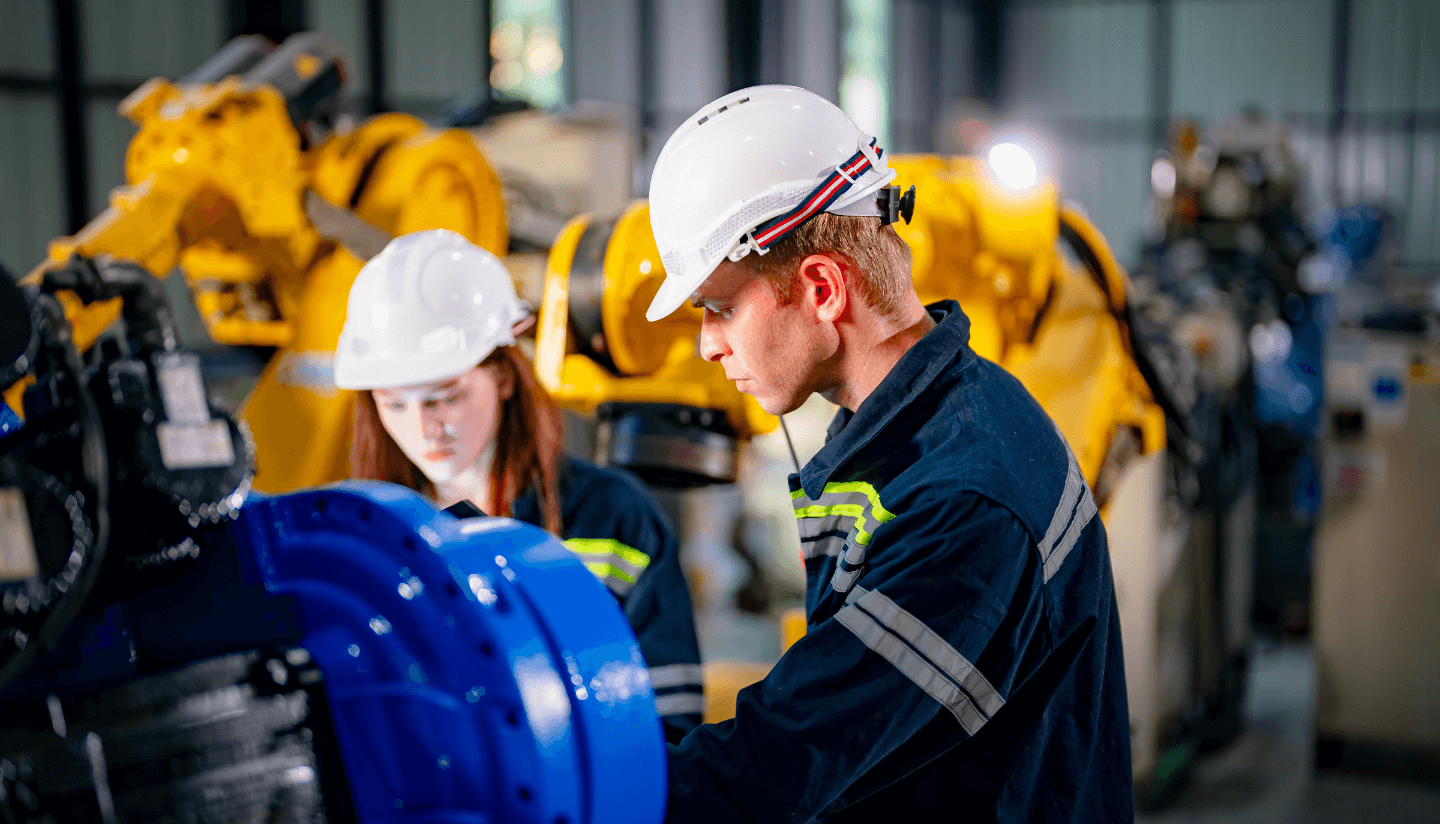
Weining provides engineered products and integrated solutions for industrial process applications, including wastewater treatment equipment for industrial and commercial facilities.
Our wastewater treatment equipment range includes Dissolved Air Flotation (DAF) systems, chemical dosing systems, sludge dewatering equipment, oil-water separators and screening equipment. These technologies help address suspended solids, oil and grease, sludge management and other wastewater treatment requirements, depending on the application and system design.
Whether you are planning a new wastewater treatment system, upgrading existing equipment or looking for a suitable solution for a specific industrial process, contact our team to discuss your requirements.
Looking for wastewater treatment equipment in Singapore? Contact Weining to discuss your application and request a quotation.
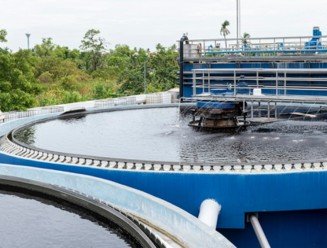
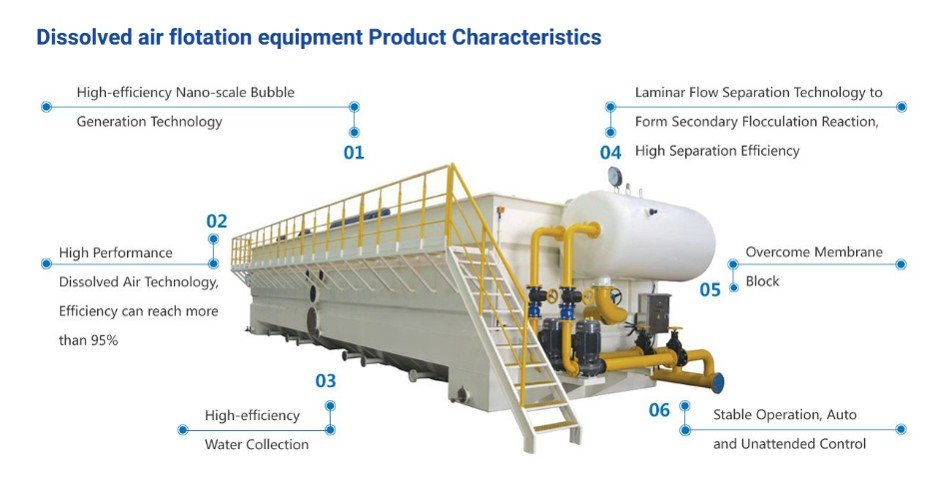
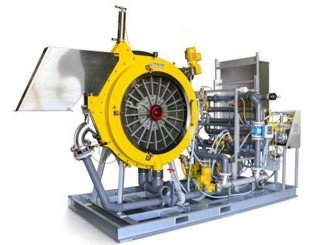
Dissolved Air Flotation (DAF) is an effective solid–liquid separation technology widely used in industrial wastewater treatment. It works by introducing fine air bubbles into wastewater, which attach to suspended particles, oil, grease, and other floatable contaminants, carrying them to the water surface for removal as floating sludge.
DAF systems are commonly used in wastewater pretreatment, industrial wastewater treatment, water reuse, and selected advanced treatment applications. Depending on the wastewater characteristics and system configuration, DAF can help reduce suspended solids (SS), oil and grease, and associated chemical oxygen demand (COD) and total phosphorus.
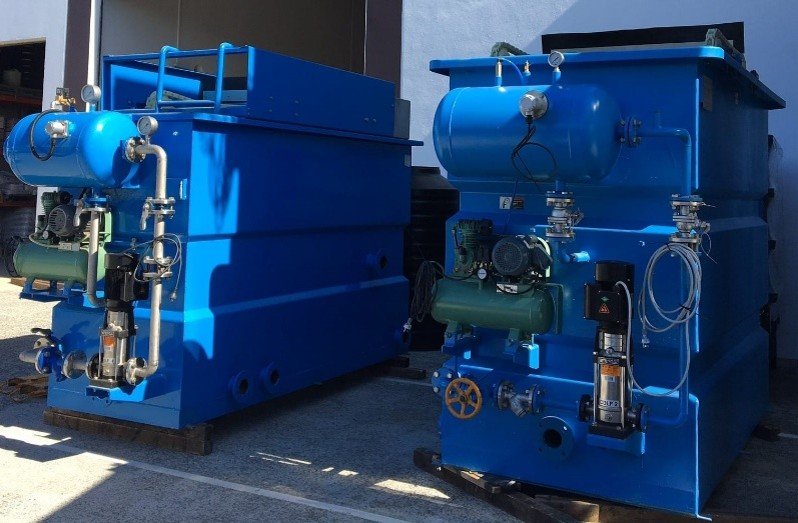
DAF systems are typically installed at the following treatment stages:
Removes suspended solids, oil, grease, and other floatable contaminants before downstream treatment.
Improves the removal of fine particles and colloidal substances through chemical conditioning.
Reduces residual suspended solids before subsequent treatment processes.
Supports specific applications, such as phosphorus removal and water reuse, depending on the treatment design.
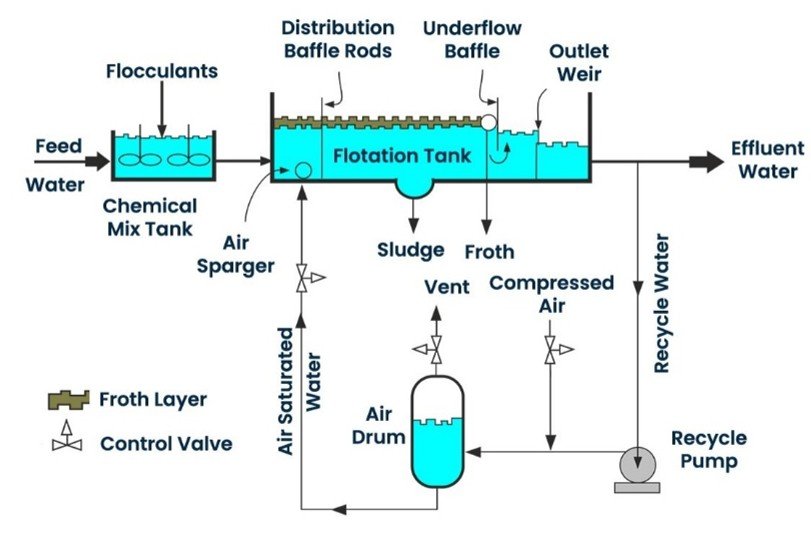
A typical DAF system consists of the following components:
 Flotation Tank: Provides the space for air flotation and separation.Pressurized Water Pump: Circulates water through the air dissolution system.Air Compressor: Supplies air for the flotation process, where required by the system design.Dissolved Air Tank: Dissolves air into water under pressure.Air Release Device: Releases pressurized water to generate fine air bubbles.Sludge Scraper and Scum Collection System: Removes floating contaminants from the water surface.
Coagulation and flocculation tanks with mixers may also be incorporated to improve treatment performance.
A DAF unit separates suspended solids, oil, and grease from wastewater through four main steps:
Chemicals may be added to help fine particles combine into larger flocs for easier separation.
Air is dissolved in pressurized water, which is then released through a specialized device to generate fine bubbles.
The bubbles attach to suspended particles and floatable contaminants, carrying them to the water surface.
A mechanical scraper collects the floating sludge, while the separated water flows out for further treatment or suitable reuse.
Efficient removal of suspended solids, oil, and grease.Improved wastewater quality before downstream treatment.Potential reduction in COD and phosphorus when associated with removable particles.Support for industrial wastewater treatment and water reuse applications.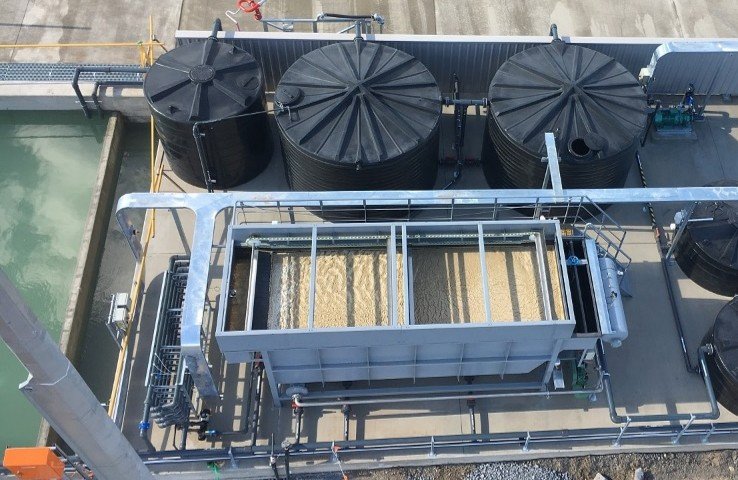
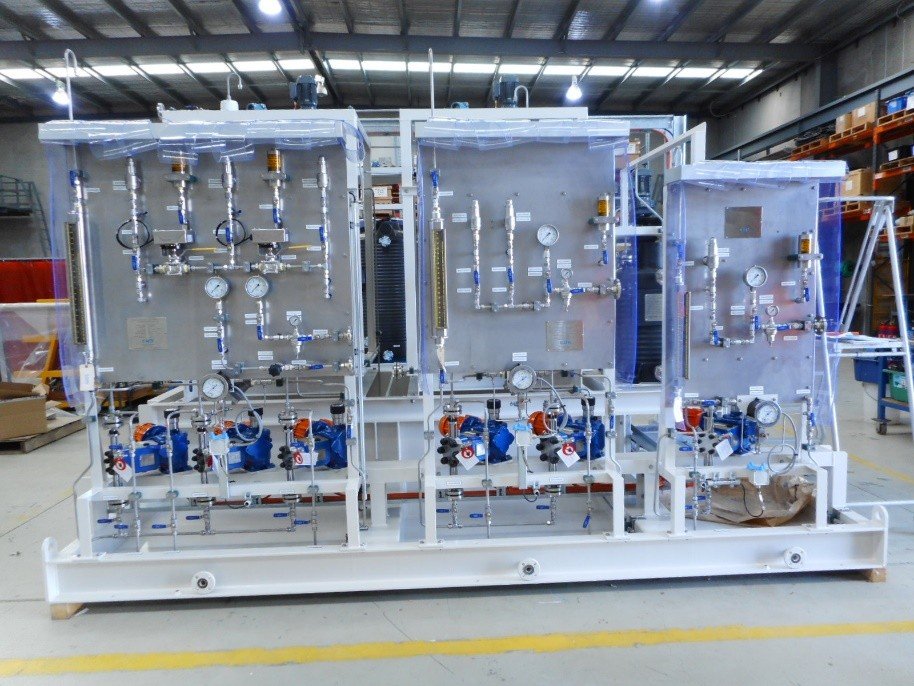
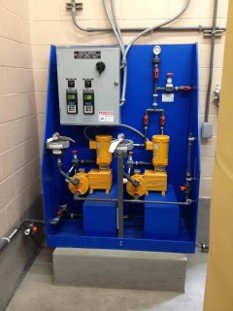
A chemical dosing system is designed to accurately measure and inject chemicals into process lines, treatment systems, or storage tanks. It is commonly used to dose acids, alkalis, chlorine, coagulants, and other chemicals for pH adjustment, disinfection, scale prevention, and process control.
Compared with manual dosing, an automated chemical dosing system improves accuracy, reduces chemical wastage, and enhances operational safety.
Delivers the correct amount of chemicals to achieve the required dosage.
Maintains stable chemical treatment and reliable results.
Reduces manual chemical handling and exposure risks.
Optimises chemical consumption and lowers operating costs.
Automates dosing and reduces manual work.
Maintains the required operating conditions and treatment efficiency.
Overall, chemical dosing systems provide a reliable and cost-effective solution for accurate chemical delivery, improved safety, and efficient operation across industrial water treatment and other process applications.
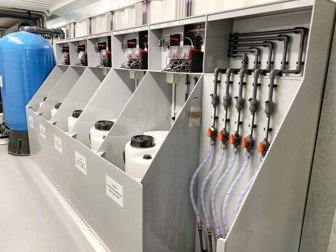
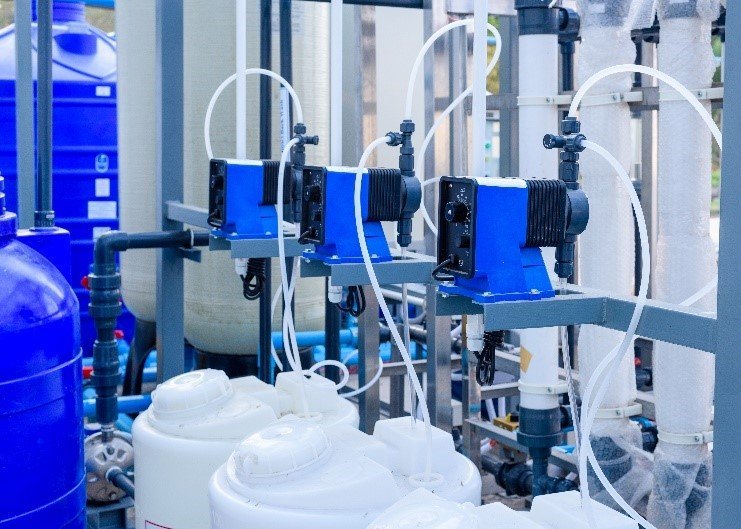
A chemical dosing system consists of several key components that work together to ensure accurate dosing, safe chemical handling, and reliable operation.
Stores chemicals before dosing. Common materials include polyethylene (PE) and polypropylene (PP). Optional features include level indicators, vent filters, and mixers, depending on the application.
Delivers the required quantity of chemicals into the process. Common types include peristaltic, diaphragm, and plunger pumps, selected according to the chemical properties and operating requirements.
Transfers chemicals from the storage tank through the dosing pump to the injection point. Materials such as PVC, PP, PTFE, and PVDF are selected based on chemical compatibility and operating conditions.
Controls and monitors the dosing process using instruments such as sensors, flow meters, and programmable logic controllers (PLCs). Advanced systems can provide automatic dosing, alarms, remote monitoring, and data logging.
Chemical dosing systems are widely used in industries that require accurate chemical addition and reliable process control.
Water and Wastewater Treatment: Used for disinfection, pH adjustment, phosphorus removal, and coagulation to improve water quality and treatment efficiency.Industrial Cooling Water and Boiler Systems: Doses scale inhibitors, corrosion inhibitors, and biocides to prevent scaling, corrosion, and microbial growth, helping protect equipment.Food and Beverage Industry: Supports Clean-in-Place (CIP) cleaning, sanitization, and pH adjustment through controlled chemical dosing to maintain hygiene and process consistency.Agricultural Irrigation Systems: Injects liquid fertilizers and nutrient solutions into irrigation systems to support crop growth, improve nutrient use, and reduce wastage.Laboratory and Pharmaceutical Industries: Provides accurate reagent dosing, formulation, and chemical reaction control to support consistent results, product quality, and process reliability.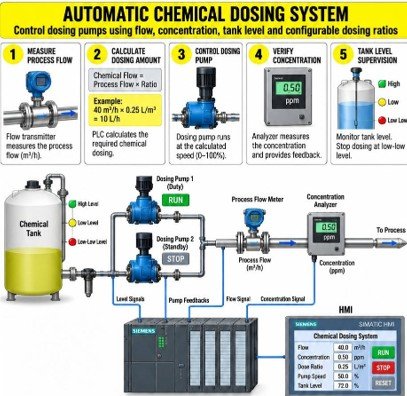
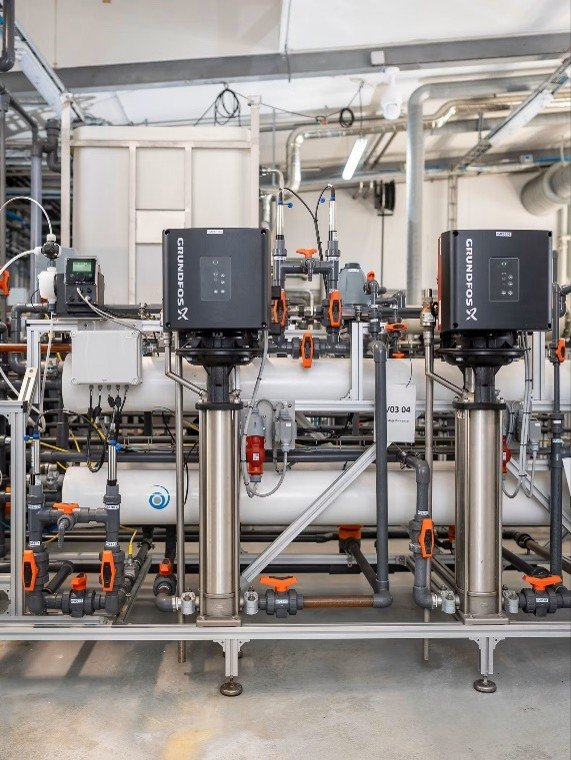
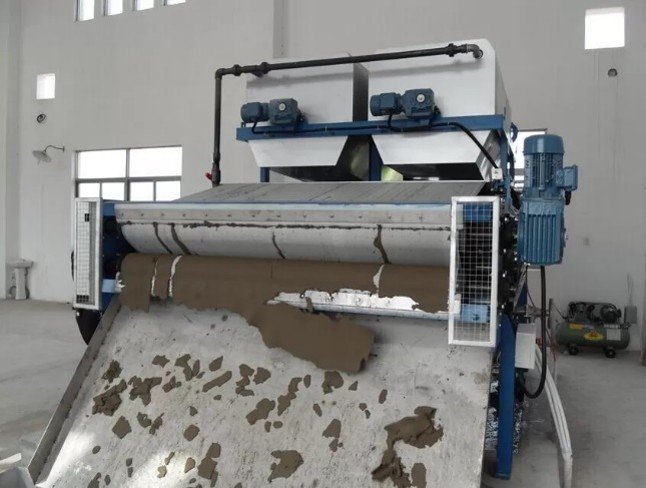
Sludge dewatering is a wastewater treatment process that removes excess water from sludge, producing a semi-solid material known as sludge cake. This reduces sludge volume and weight, making it easier and more cost-effective to handle, transport, and dispose of.
Wet sludge can contain more than 95% water, resulting in high transportation, storage, and disposal costs. By removing excess moisture, sludge dewatering helps wastewater treatment plants reduce sludge management expenses, improve operational efficiency, and optimize downstream handling processes.
It is important to distinguish sludge thickening from sludge dewatering. Thickening increases the solids concentration by removing a portion of the free water, producing concentrated sludge that remains pumpable. Dewatering removes a greater proportion of the remaining water to produce a semi-solid sludge cake suitable for further handling, disposal, or approved recovery processes.
Wastewater sludge dewatering offers several operational, economic, and environmental benefits by reducing the amount of water retained in sludge.
Significantly reduces the volume of sludge requiring further handling and disposal, depending on the sludge characteristics and dewatering technology.
Reduces the weight of sludge transported to disposal or treatment facilities.
Minimizes the quantity of wet sludge requiring disposal, potentially lowering overall disposal expenses.
Produces a semi-solid sludge cake that is easier to collect, convey, load, and transport.
Reduces the space required for temporary sludge storage.
Enables potential beneficial reuse, such as composting, agricultural applications, or energy recovery, where the sludge quality and applicable regulations permit.
Can reduce transport requirements and improve the overall efficiency of sludge management.
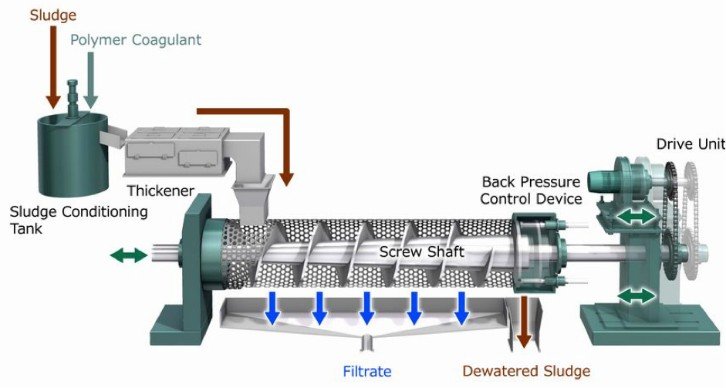
Sludge dewatering generally involves three main steps. The exact process depends on the sludge characteristics and the selected equipment.
Sludge is commonly conditioned using polymers or other suitable chemicals to improve particle aggregation and water separation. Proper conditioning helps improve dewatering performance and can increase solids capture. Thermal conditioning may also be used in specialized treatment processes.
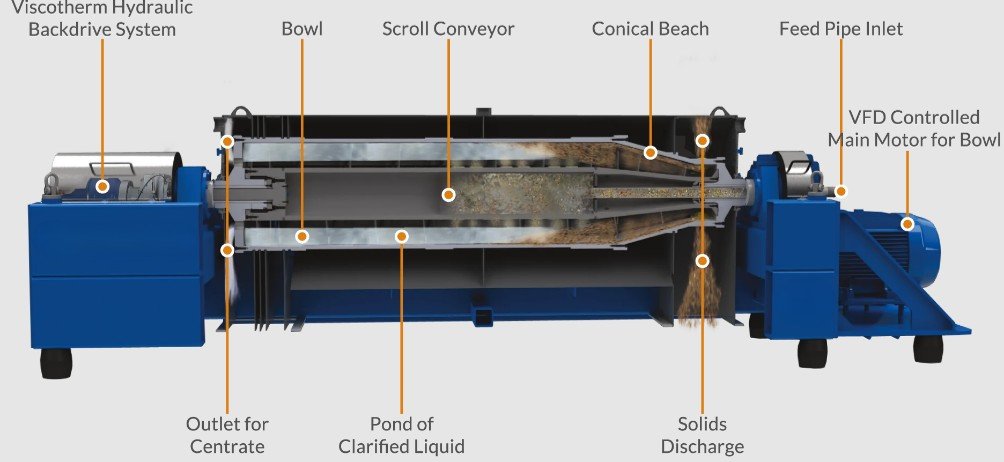
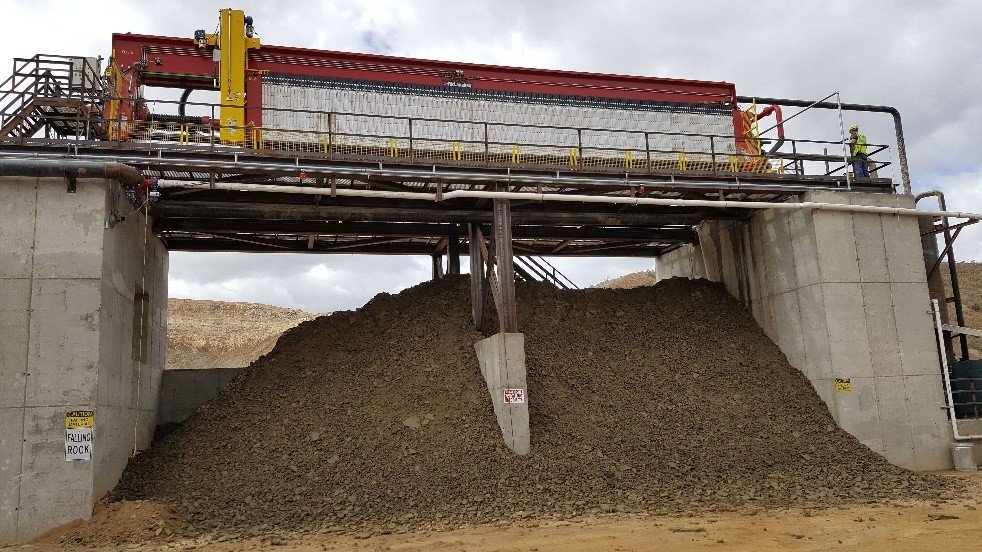
The conditioned sludge is processed through dewatering equipment, such as a belt filter press, screw press, decanter centrifuge, or filter press. These systems use mechanical pressure, filtration, or centrifugal force to separate water from the solid particles.
The separated solids form a semi-solid sludge cake, while the extracted liquid, known as filtrate or centrate depending on the equipment, is collected for appropriate treatment or return to the wastewater treatment process. The sludge cake can then be transported for disposal, incineration, composting, or other approved recovery options, depending on its properties and local regulations.
The following table compares five common mechanical sludge dewatering technologies to help identify a suitable option for different wastewater treatment applications.
| Technology | Best For | Main Advantage | Considerations |
|---|---|---|---|
| Belt Filter Press | Municipal wastewater and large continuous treatment operations | Continuous operation and high throughput | Requires regular belt cleaning, maintenance, and polymer conditioning |
| Decanter Centrifuge | Municipal and industrial wastewater treatment plants | Compact design, continuous processing, and high automation potential | Higher energy consumption, noise, and mechanical wear |
| Screw Press | Small to medium treatment plants and selected industrial applications | Low energy consumption and relatively simple maintenance | Cake dryness and throughput depend on sludge characteristics |
| Filter Press | Industrial sludge and applications requiring high cake dryness | Produces relatively dry sludge cake | Batch operation, longer cycle times, and greater operator involvement in some configurations |
| Rotary Press | Municipal and industrial applications with compatible sludge types | Quiet operation and relatively low maintenance requirements | Performance and suitability depend on sludge type and equipment design |
Choosing the appropriate sludge dewatering equipment is essential for achieving reliable treatment performance and controlling operating costs. Before selecting a system, consider the following factors:
Sludge Characteristics: Assess the solids concentration, particle size, organic content, and dewatering properties of the sludge.Processing Capacity: Determine the required sludge throughput and whether continuous or batch operation is preferred.Required Cake Dryness: Establish the target solids content based on transportation, disposal, or downstream processing requirements.Operating Costs: Compare energy consumption, polymer requirements, maintenance costs, and operator involvement.Available Space: Consider the installation footprint, access for maintenance, and integration with existing treatment equipment.Disposal and Recovery Requirements: Confirm that the selected system supports the required sludge handling and final disposal or recovery route.The right combination of sludge conditioning and mechanical dewatering equipment can reduce sludge volume, improve handling efficiency, and support cost-effective wastewater treatment operations.
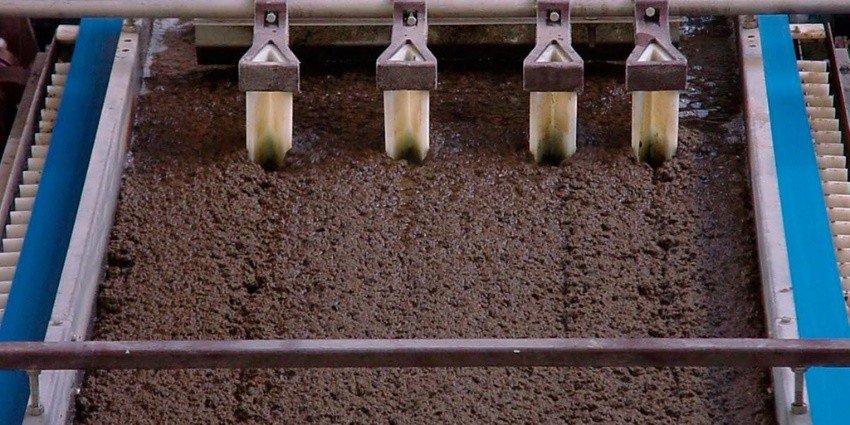
An Oil-Water Separator (OWS) is a wastewater treatment system designed to remove free oil, grease, and floating hydrocarbons from water before discharge or further treatment. It is commonly used in petrol stations, workshops, industrial facilities, and other areas where oily wastewater is generated.
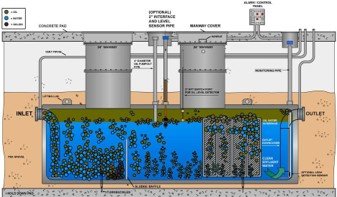
Most conventional oil-water separators operate based on gravity separation, allowing lighter oil droplets to rise to the water surface while heavier suspended solids settle at the bottom. Some systems incorporate coalescing plates to improve separation efficiency by combining smaller oil droplets into larger droplets that rise more easily.
Important: Conventional oil-water separators primarily remove free oil. They are generally less effective at removing stable emulsified oil, dissolved hydrocarbons, and other dissolved contaminants. Additional treatment, such as chemical treatment, dissolved air flotation (DAF), or activated carbon filtration, may be required depending on the wastewater characteristics and discharge requirements.
The separation process typically involves five main steps:
Oily wastewater enters the separator through an inlet pipe. The wastewater may contain diesel, lubricating oil, grease, hydrocarbons, water, and suspended solids.
The separator reduces the wastewater flow velocity, providing sufficient retention time for oil droplets to rise naturally to the surface under gravity. Heavier suspended particles settle at the bottom of the tank.
Oil accumulates on the water surface while the separated water remains below. Heavier solids settle to the bottom and form a sludge layer. In coalescing separators, specially designed plates help smaller oil droplets combine into larger droplets, improving the separation process.
The floating oil is collected for recovery or disposal, while the separated water flows through a designated outlet. Accumulated sludge is removed periodically to maintain the separator's performance.
The separated water is discharged or transferred to another treatment stage, depending on the applicable discharge requirements. If the water contains emulsified oil, dissolved hydrocarbons, or other contaminants that conventional separation cannot adequately remove, additional treatment may be necessary.
| Separator Type | Typical Application |
|---|---|
| Gravity Separator | Petrol stations, vehicle workshops, and equipment wash areas where free oil is present |
| Coalescing Plate Separator | Industrial wastewater containing free oil, where enhanced droplet separation is required |
| API Separator | Oil refineries and large industrial facilities handling oily wastewater |
| CPI Separator | Industrial plants requiring compact separation of free oil using corrugated plate technology |
| Hydrocyclone Separator | Applications requiring compact, high-throughput separation of oil and water |
The appropriate separator depends on the wastewater flow rate, oil droplet size, oil concentration, temperature, suspended solids content, available space, and required effluent quality.
Treats oily wastewater and suitable runoff from forecourts, vehicle maintenance areas, and equipment washing operations before discharge or further treatment.
Separates free oil from suitable contaminated drainage water generated around fuel storage and handling areas.
Marine oil-water separators are used to treat bilge water and reduce oil content in accordance with applicable marine discharge requirements.
Removes free oil and floating hydrocarbons from industrial wastewater before the water enters downstream treatment systems or an approved discharge point.
Treats oily wastewater generated during industrial operations, helping reduce the oil load entering subsequent wastewater treatment processes.
Effective free-oil removal: Separates free-floating oil and hydrocarbons from wastewater.Reduced downstream treatment load: Helps reduce the amount of free oil entering subsequent treatment processes.Oil recovery potential: Allows separated oil to be collected for appropriate recovery or disposal.Improved wastewater management: Supports compliance with applicable wastewater discharge requirements when correctly designed, operated, and maintained.Flexible applications: Available in different configurations to suit industrial, commercial, automotive, and marine applications.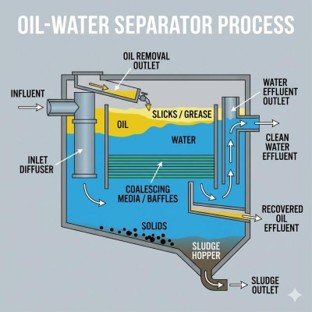
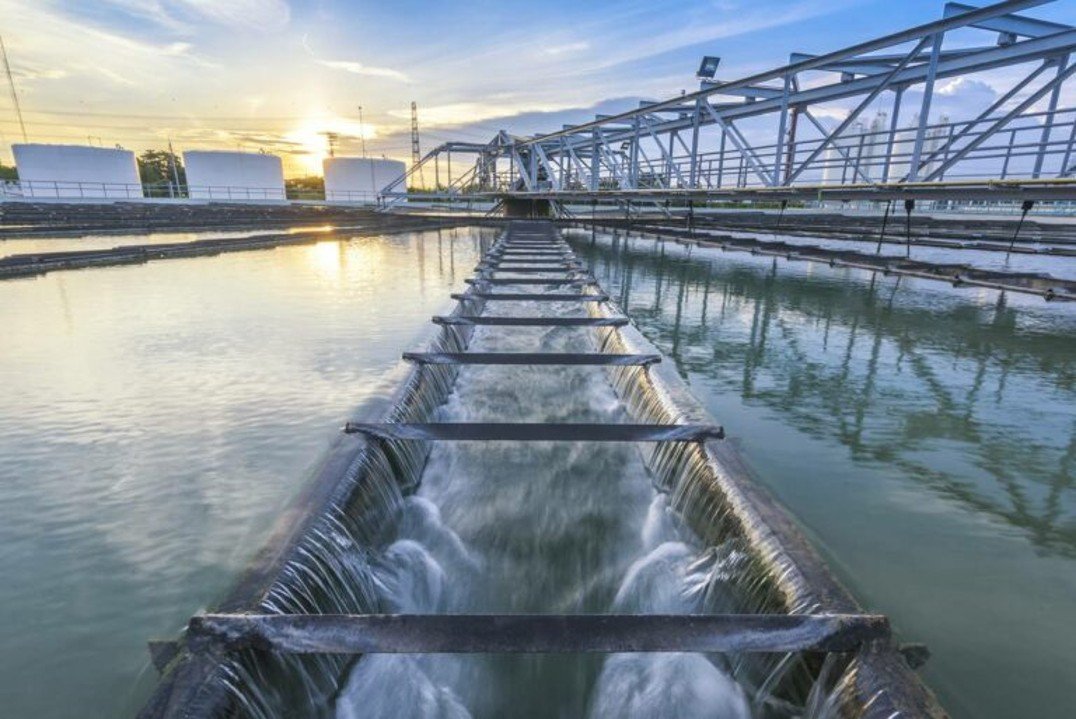
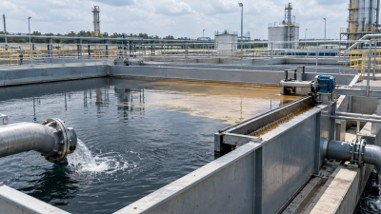
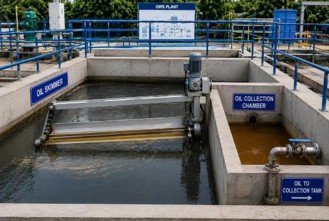
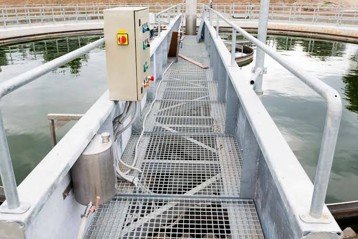
Wastewater screening is a preliminary treatment process that removes unwanted solids, debris, rags, plastics, and other coarse materials from wastewater. It helps protect downstream equipment, prevent blockages, and improve the overall efficiency and reliability of wastewater treatment systems.
Screening equipment is available in various designs and opening sizes, with manual or mechanical cleaning options depending on the application and treatment requirements. The opening sizes below represent typical ranges and may vary depending on equipment design, manufacturer, and specific application.
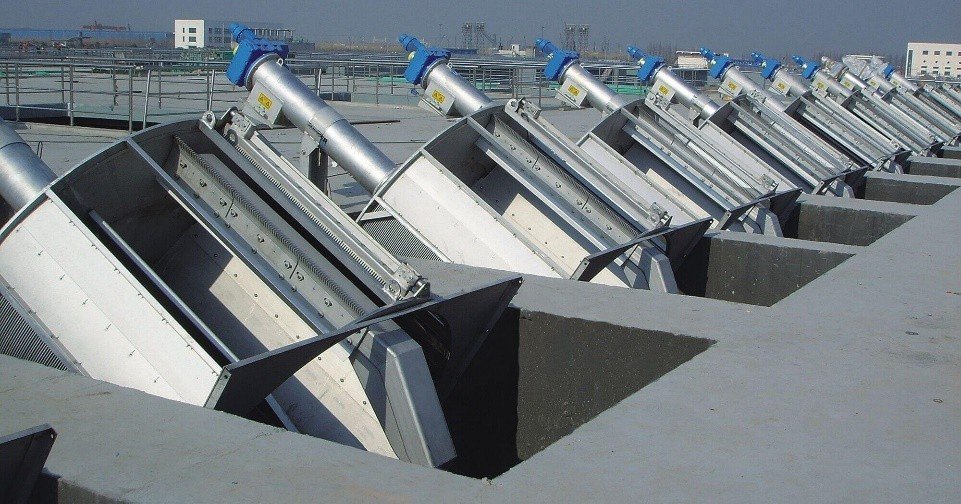
The screening process typically follows these steps:
Incoming wastewater enters the screening system, carrying solids, debris, rags, plastics, and other unwanted materials.
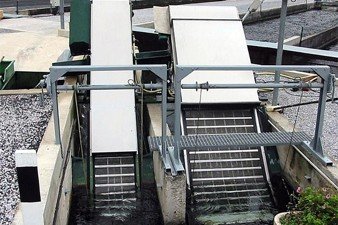
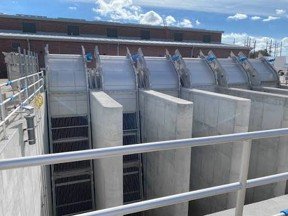
Wastewater passes through a screen that captures solids according to the screen opening size.
Captured materials are removed manually or by a mechanical cleaning system and collected for suitable disposal.
The wastewater, with larger solids removed, flows to downstream treatment processes such as grit removal, oil-water separation, or biological treatment, depending on the system design.
Coarse screens typically have openings of 6 mm or larger and remove large debris, rags, plastics, sticks, and other solid waste. They help protect pumps, pipes, and downstream treatment equipment from damage and blockages.
Fine screens typically have openings of 1.5–6 mm and capture smaller solids that may cause blockages, affect equipment performance, or interfere with subsequent treatment processes.
Very fine screens typically have openings of 0.2–1.5 mm and capture smaller solid and fibrous materials, helping improve the performance of downstream treatment processes. Their suitability depends on wastewater characteristics and treatment requirements.
Comminutors and grinders cut or grind larger solids into smaller particles to reduce the risk of blockages in suitable wastewater treatment applications. Unlike conventional screening equipment, which physically separates and removes debris, comminutors and grinders generally reduce the size of solids while allowing them to remain in the wastewater stream.
Contact Weining to discuss your application and request a quotation.
© Copyright weining.com.sg 2026 All Rights Reserved. | Privacy policy


